

The textile industry is shifting away from traditional production models toward smart systems under the influence of Industry 4.0. At the center of this transformation are smart yarn technologies. Smart yarns are developed with functional capabilities such as electrical conductivity, temperature sensing, moisture detection, and antibacterial properties.
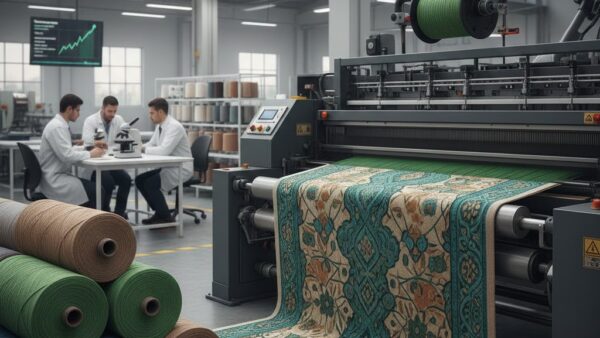
These yarns are typically produced using nanotechnology, microencapsulation, and conductive polymers. For example, yarns containing silver nanoparticles provide both antibacterial properties and electrical conductivity. When used in carpet production, such yarns enable the development of floor coverings that can sense ambient temperature, reduce static electricity, or improve hygiene levels.
In the future, smart yarns are expected to be integrated with sensor systems, transforming carpets into “data-generating surfaces.” This presents significant potential, particularly for smart homes, hospitals, and hospitality environments.

Leave a comment